Skip to content
FINESI

The school

We have trained statistical and computer engineers in the Peruvian altiplano since 1981, with our own research and a direct link to the region.

Aerial view of the FINESI faculty gathered in the courtyard

Mission

To train competent professionals in statistical and computer engineering, with a solid scientific foundation and ethical commitment, capable of generating knowledge and technological solutions that answer the needs of the region and the country.

Vision

To be a school recognised for the quality of its teaching and for scientific output that is cited beyond its own borders, a national reference in data science and information systems applied to the development of the southern Andes.

Structure

Who runs the faculty

The three tiers set out in the faculty's organisational structure, with the people in each post.

Faculty Council

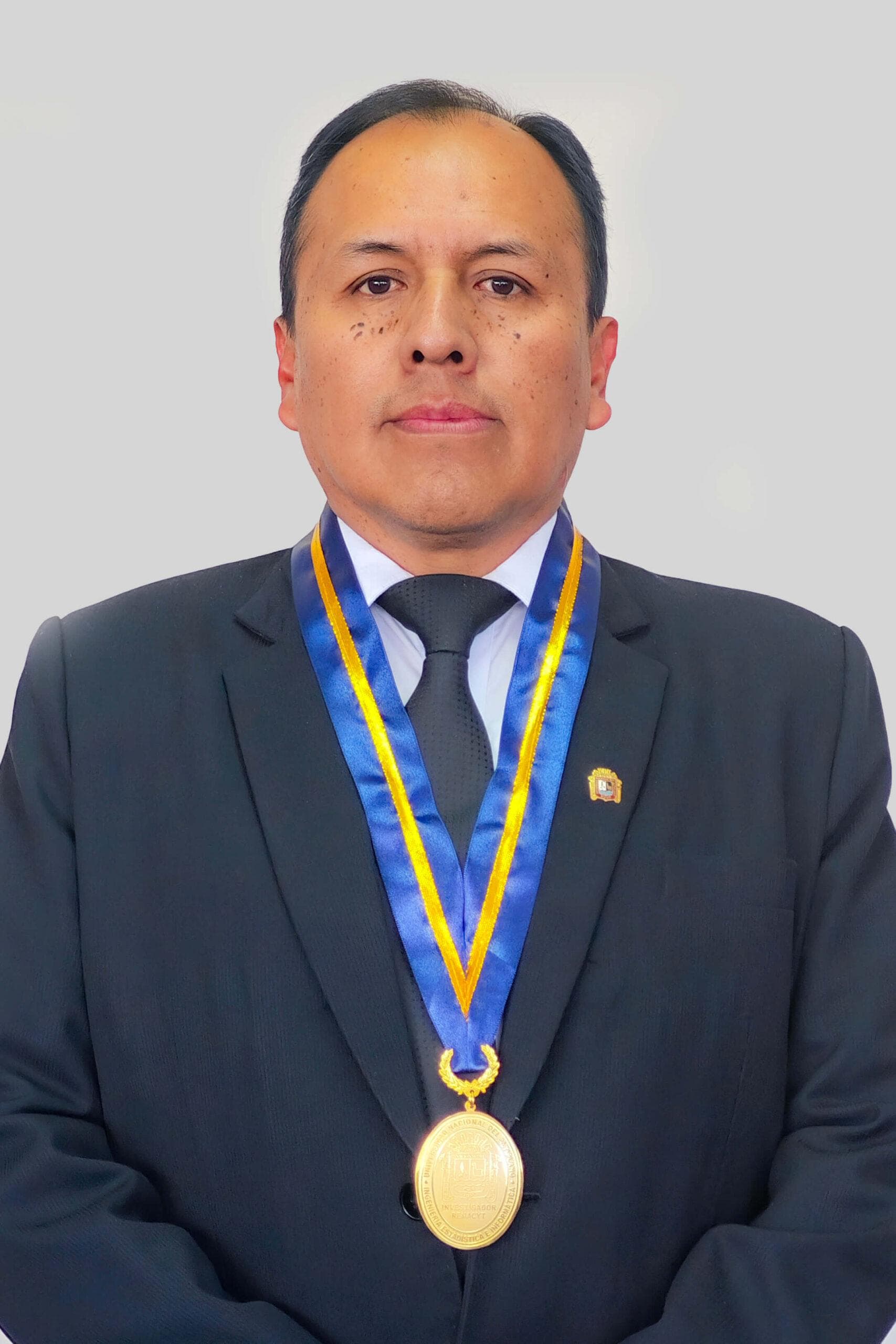
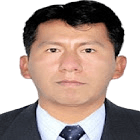
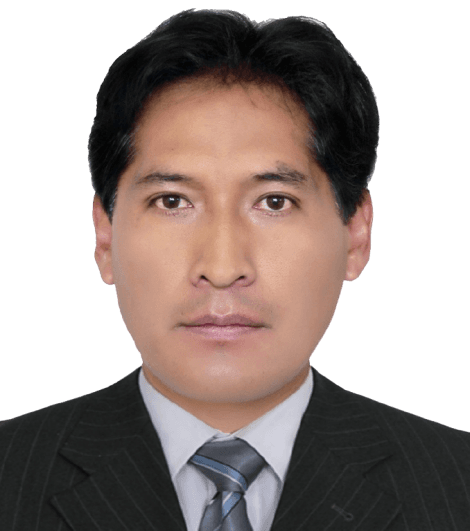
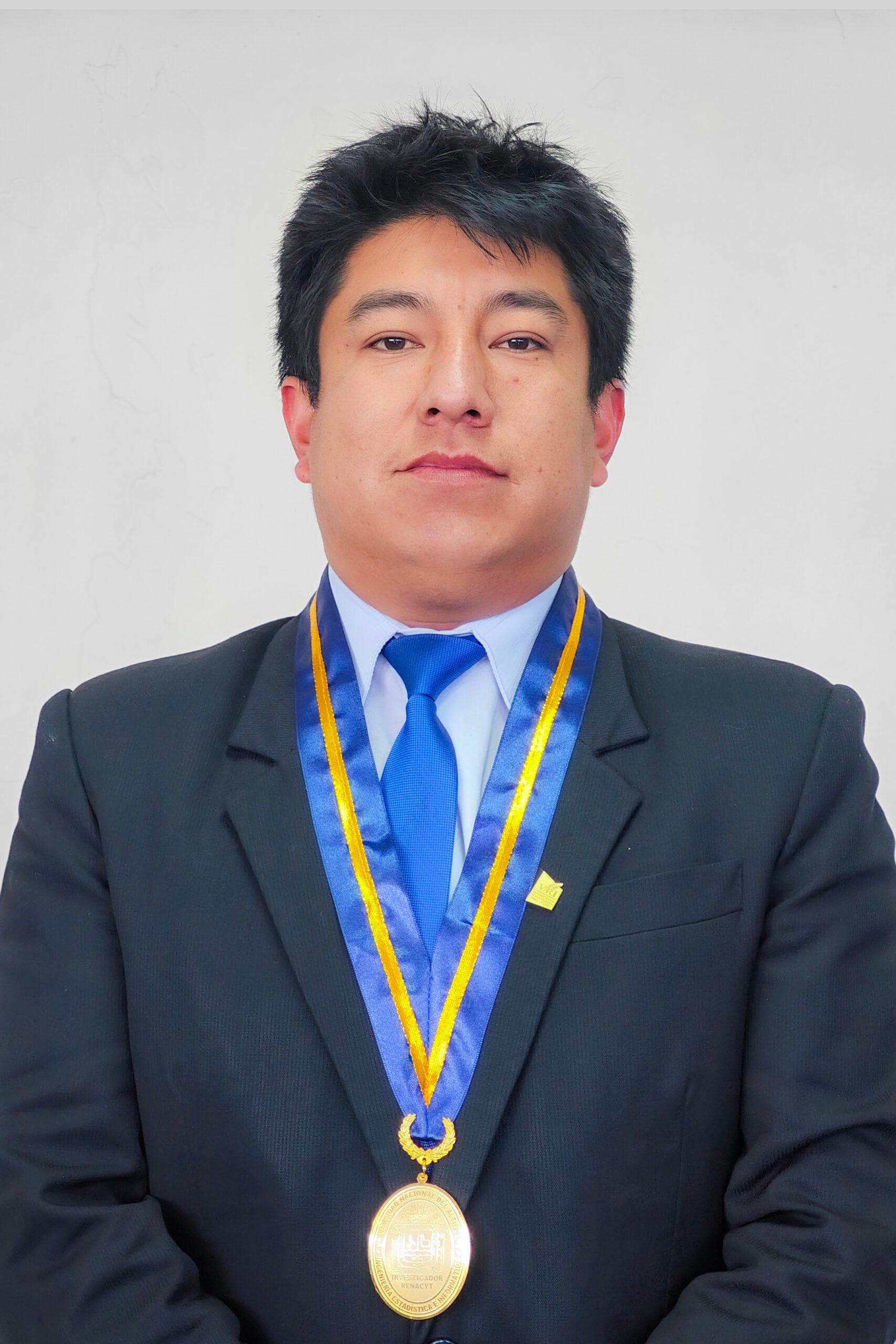
  • Photograph of Juan Reynaldo Paredes Quispe

    Dr.

    Juan Reynaldo Paredes Quispe

    Academic Department Director · Pre-professional Placements Coordinator

    jparedes@unap.edu.pe
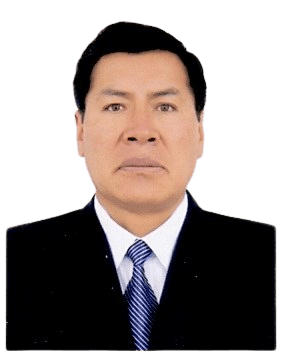
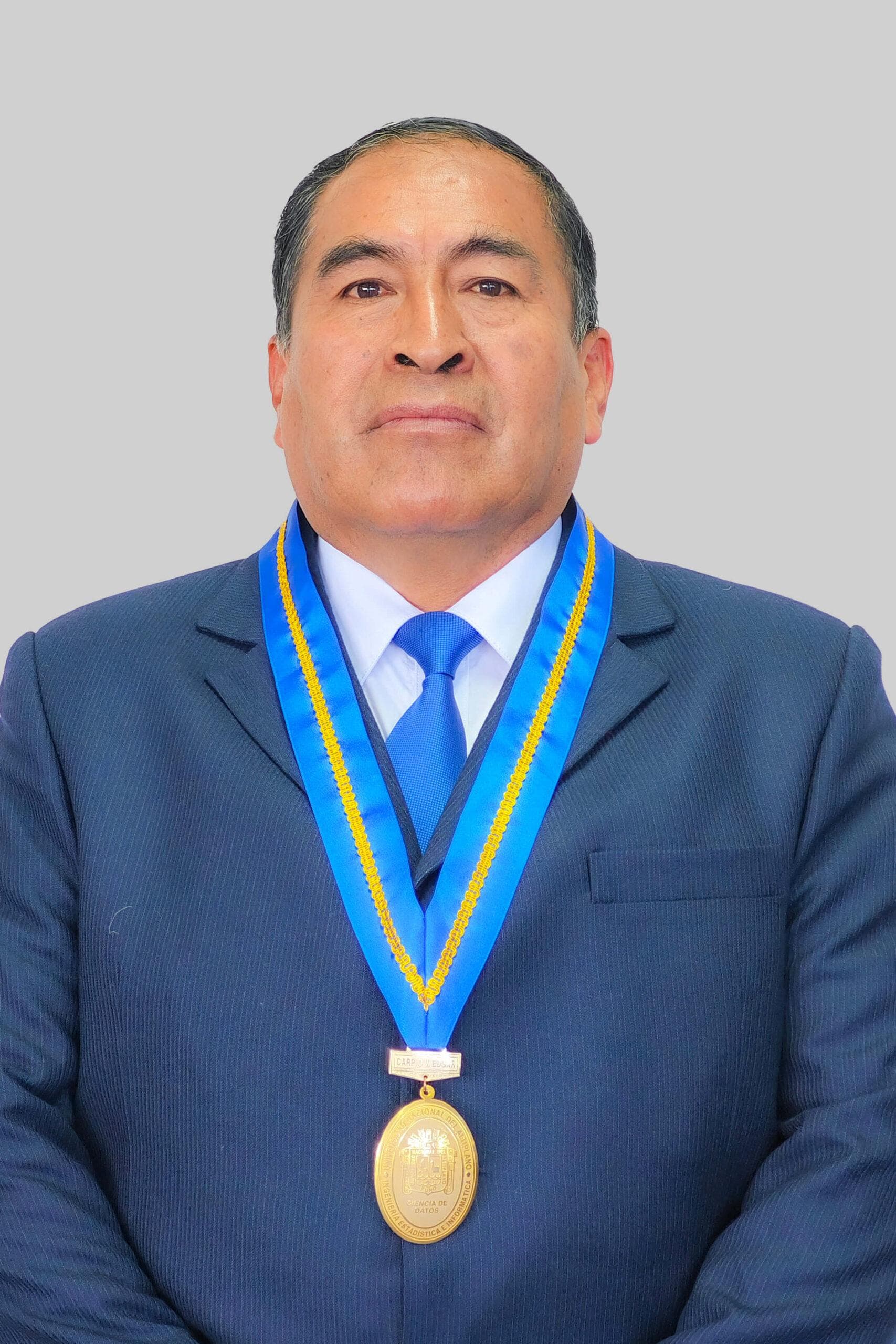
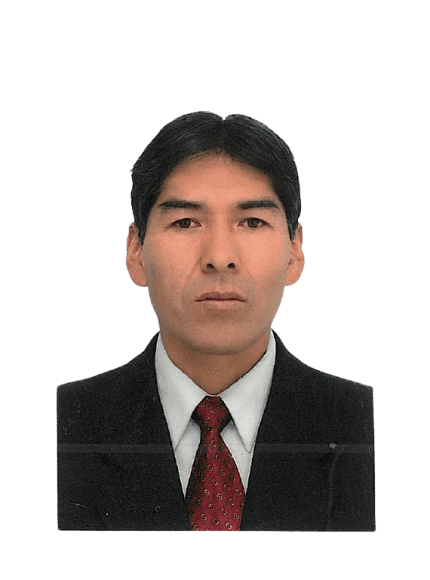
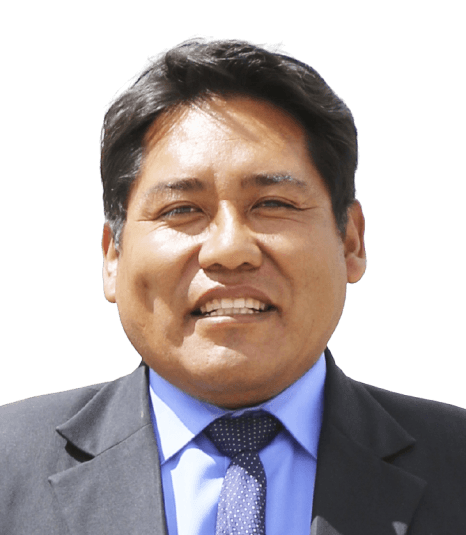
  • Photograph of Bernabé Canqui Flores

    Dr.

    Bernabé Canqui Flores

    Head of the Research Unit

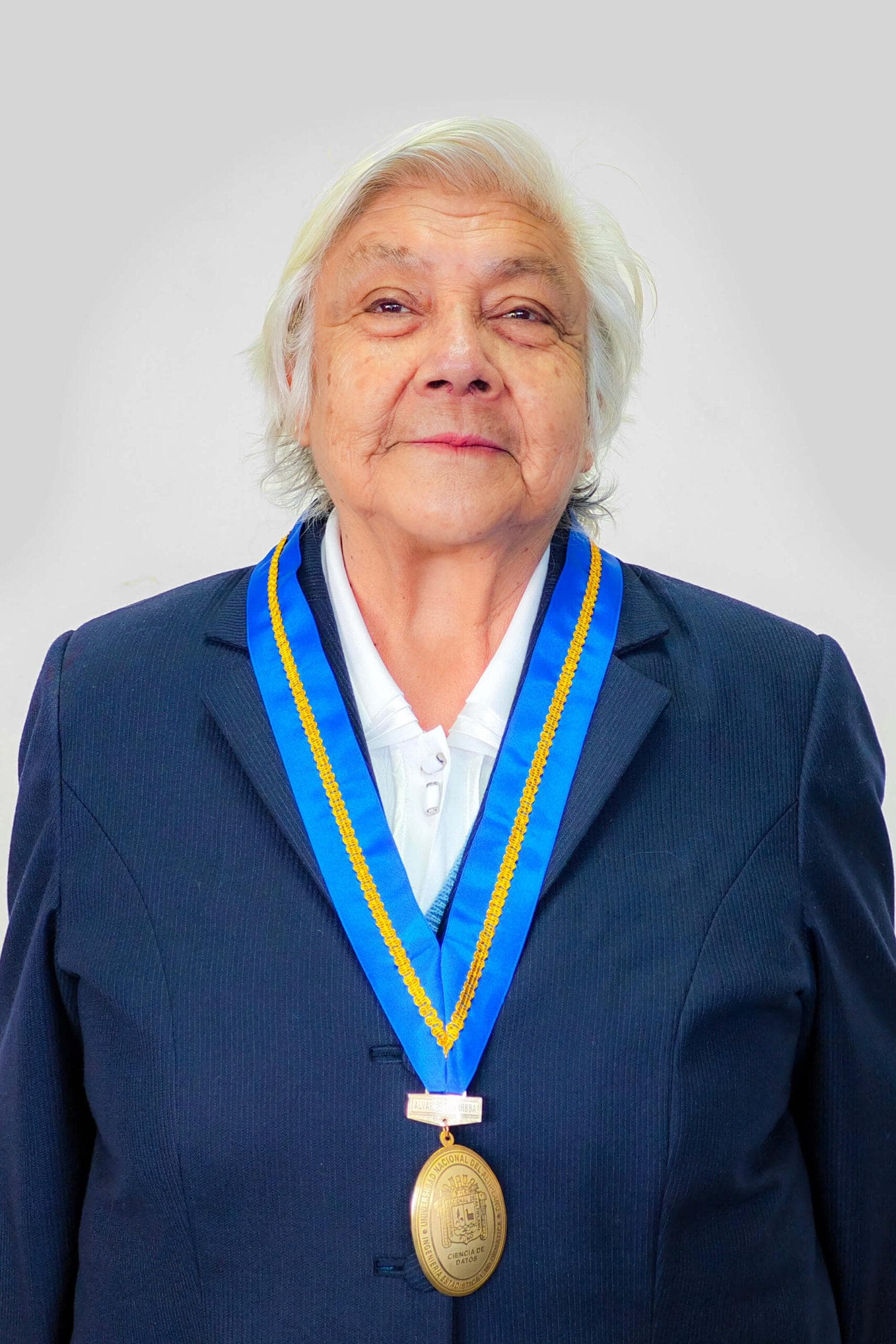
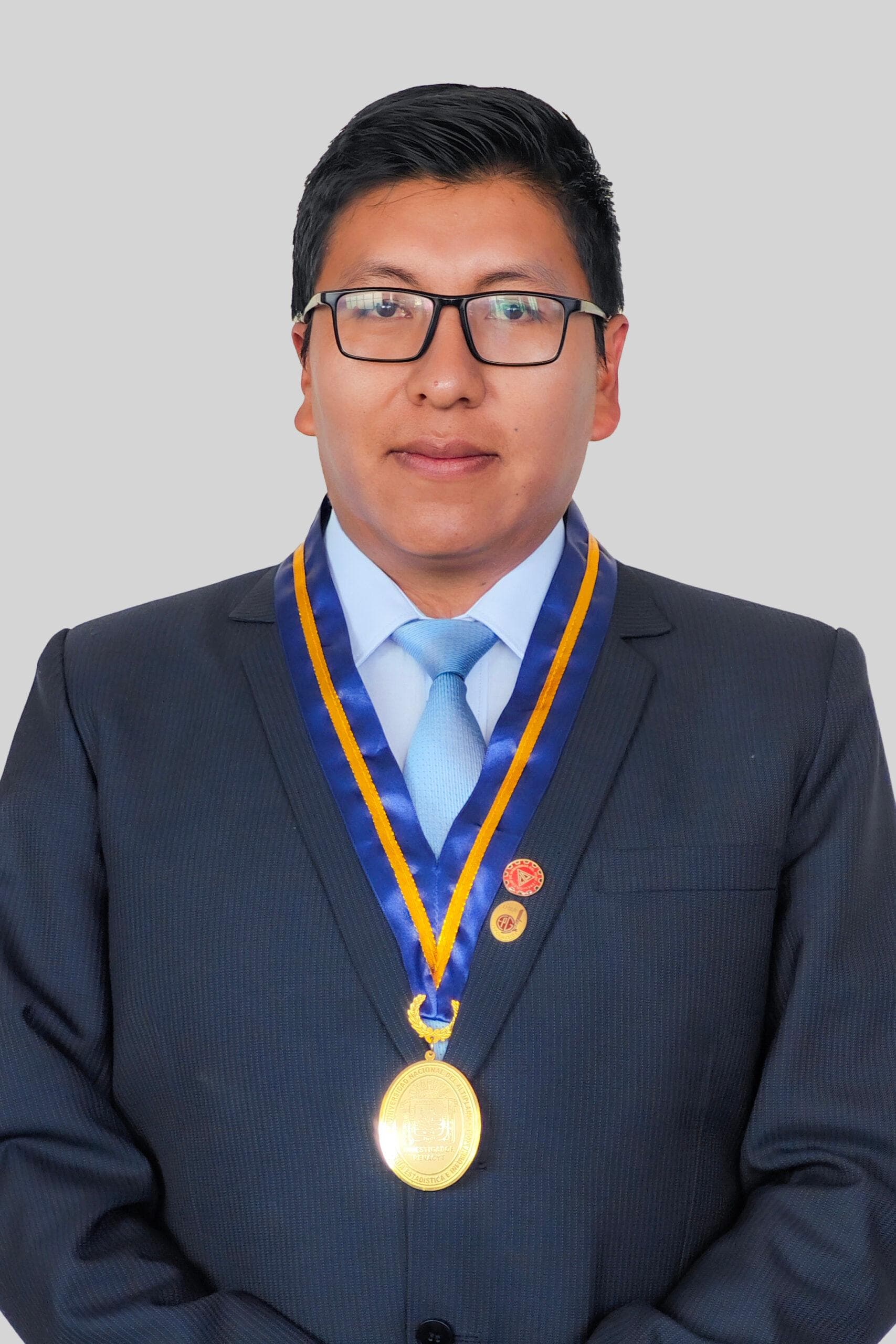
  • Photograph of Angél Javier Quispe Carita

    Dr.

    Angél Javier Quispe Carita

    Chair of the Quality and Accreditation Committee

    aquispe@unap.edu.pe

Coordination and responsibilities

Directory

Who is who

Officers, faculty and staff, with their role and how to reach them.

Faculty

38
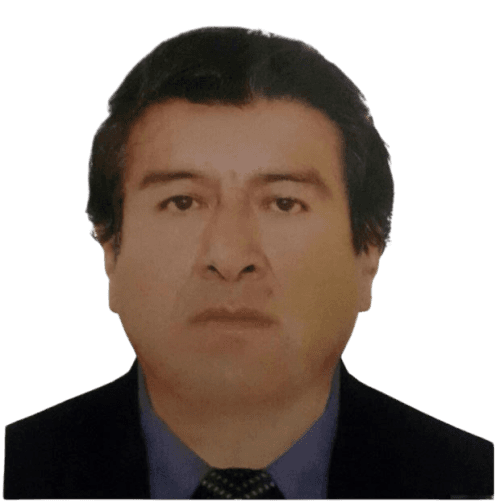
Photograph of Ramiro Pedro Laura Murillo

M.Sc.

Ramiro Pedro Laura Murillo

Contracted lecturer

Computer science · B2

Photograph of Samuel Donato Perez Quispe

Dr.

Samuel Donato Perez Quispe

Tenured lecturer

Statistics · Principal D.E.

sperez@unap.edu.pe
Photograph of Oscar René Barrientos Huamán

Oscar René Barrientos Huamán

Contracted lecturer

Computing · B2

Vladimir Benavides Camacho

Contracted lecturer

M.Sc.

Fredy Gonzalo Copari Romero

Contracted lecturer

Computing · B2

Photograph of Erardo Espinoza Coaquira

M.Sc.

Erardo Espinoza Coaquira

Contracted lecturer

Computing · B2

Photograph of Alain Paul Herrera Urtiaga

M.Sc.

Alain Paul Herrera Urtiaga

Contracted lecturer

University Teaching · B2

Jesús David Machaca Quispe

Contracted lecturer

Photograph of Milton Vladimir Mamani Calisaya

Milton Vladimir Mamani Calisaya

Contracted lecturer

Computing · B2

Roger Mamani Hancco

Contracted lecturer

Computing · B3

Photograph of Romel Percy Melgarejo Bolivar

Romel Percy Melgarejo Bolivar

Contracted lecturer

Computing · B2

Photograph of Renan Abelardo Palli Mamani

Renan Abelardo Palli Mamani

Contracted lecturer

Photograph of Jesús Pari Flores

Jesús Pari Flores

Contracted lecturer

Computing · B3

Photograph of Sandra Inés Ponce Umiña

Sandra Inés Ponce Umiña

Contracted lecturer

M.Sc.

Roger Quispe Riquelme

Contracted lecturer

Computing · B1

Daniel Quispe Mamani

Contracted lecturer

Intercultural Bilingual Education · B1

M.Sc.

Luis Alberth Rossel Bernedo

Contracted lecturer

Computing · B1

Photograph of Amilkar Sucasaca Pacori

M.Sc.

Amilkar Sucasaca Pacori

Contracted lecturer

B2

Photograph of Julio Cesar Tisnado Puma

Julio Cesar Tisnado Puma

Contracted lecturer

Computing · B2

Photograph of Fred Torres Cruz

M.Sc.

Fred Torres Cruz

Contracted lecturer

Computing · B2

Ludwing Arocutipa Marca

Contracted lecturer

Wilver Mayta Aroquipa

Contracted lecturer

Jorge Victor Balboa Aguilar

Contracted lecturer

Administrative staff

7

Rosa Cahuana Mamani

Academic Coordinator

Ygnacio Mamani Quispe

Dean's Office Secretary

Eloy Lucio Pacsi Espirilla

Caretaker

Isabel Cristina Serruto Zea

Librarian

José Condori Cruz

Computer Centre

Eulogio Gonzales Barrionuevo

Computer Centre

Silvia Lilieth Uriarte Velasco

School Directorate Secretary

Institutional e-mail addresses come from the roster of tenured faculty published by Universidad Nacional del Altiplano on its transparency portal (Human Resources, January 2023). Contract and administrative staff are not listed there.

More about the school

Institutional documents and texts of the study programme.

HistoryThe academic programme in Statistical Engineering was created by resolution of the University Council on 28 April 1981, under R.R. N° 300-81-R-UNTA. Later, on 9 August 1994, the University Council proposed to the University Assembly that the degree be renamed from Statistical Engineering to Statistical and Computer Engineering, approved under R.R. N° 1230-94-R-UNA. A Transitional Governing Commission was appointed from 28 September 2004, under Resolution N° 586-2004-ANR and its extension, Resolution N° 660-2004-ANR (Resolutions N° 580, 586, 636, 660-2004 and 746-2005-ANR). During this period the Statute of the Universidad Nacional del Altiplano — Puno was amended by University Assembly Resolution N° 09-2005-AU-UNA. Under Rectoral Resolution N° 4091-2016-R-UNA and University Assembly Resolution N° 116-2016-AU-UNA, the renaming of the "Academic Programme in Statistics" to the Academic Programme in Statistical Engineering was approved, with effect from 29 April 1981.Purpose of the ProgrammeThe Statistical and Computer Engineering programme has set itself the following purpose: To train statistical and computer engineers capable of managing data science, information systems, data communications and ICT development projects, contributing to the advancement of the statistical and computing sciences, equipped with modern techniques and research instruments, and showing social responsibility and leadership within a framework of quality standards.Organisational StructureEstructura OrgánicaDegrees and QualificationsDegrees and professional qualifications are awarded according to the academic requirements each university sets in its own regulations. The minimum requirements are as follows: 🎓 Bachelor's degree Requires having passed undergraduate studies, together with an approved research project and command of a foreign language, preferably English, or of a native language. 📘 Professional qualification Requires the bachelor's degree and an approved thesis or professional competence report. Accredited universities may establish additional routes. The professional qualification can only be obtained at the university that awarded the bachelor's degree. 💼 Career paths Teaching in statistics and computing, and leading software development projects. Directing computing centres, developing bespoke software for specific problems, and providing consultancy and advice in statistics and computing. Analysing, developing and implementing software solutions, and carrying out scientific research in statistics and computing. Teaching and research in statistics and computing.